A crepe myrtle in Monroe that flowers poorly, grows a thicket of whips, or wears a row of ugly knuckles is telling you how it was pruned in past winters. Troubleshooting this tree starts from the symptom, works back to the cut that caused it, and ends with a repair plan spread over a few seasons, because crepe myrtles forgive a lot but cannot regrow a natural form in a single spring.
Walk to the tree with three questions. What does the winter silhouette look like? Where do the flower clusters actually form? And how much of the canopy is shoots from old cut ends versus branches growing from the main trunks? Those answers sort almost every crepe problem in Union County yards.
- Symptom: knobby knuckles at the same height on every trunk. Cause: repeated topping at one point. Fix: stop topping, and over two or three winters select the strongest shoots from below each knuckle to become new branches while removing the weakest crowded growth.
- Symptom: long whips that flop after rain when in bloom. Cause: flowers forming on weak, fast shoots that grew after hard cutting. Fix: return to thinning cuts so blooms form on sturdier, naturally placed branches, and reduce the number of competing shoots each winter.
- Symptom: thicket of suckers at the base. Cause: stress, root disturbance, or a variety that suckers freely, often worse after hard pruning. Fix: remove suckers cleanly at their origin several times a season rather than shearing them, which stimulates more.
- Symptom: few or no flowers by midsummer. Cause: pruning too late in spring, heavy shade, or the tree putting energy into regrowth after severe cutting. Fix: prune only in late winter, check sun exposure, and give a properly pruned tree a full season to show its normal bloom.
- Symptom: white powdery coating on leaves and buds. Cause: powdery mildew favored by crowded, humid canopies. Fix: thin for air flow at winter pruning, avoid wetting foliage when watering, and choose resistant varieties for any replacement planting.
- Symptom: sticky leaves and black sooty coating. Cause: aphids feeding on tender new growth, leaving residue that molds. Fix: a strong water spray for light cases, encourage airflow, and avoid the lush soft growth that follows overfeeding and hard cutting.
The repair timeline most trees need
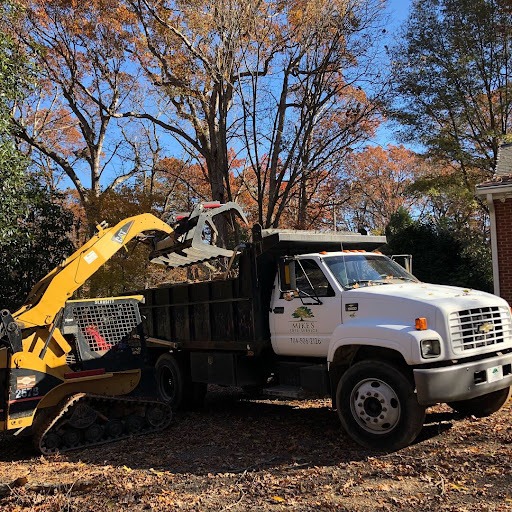
Year one of repair is selection: keep the best placed shoots, remove the rest, and resist cutting the kept shoots back. Year two is spacing: thin what crowded, remove crossing growth, and start to see separate branches with their own laterals. Year three is maintenance: light thinning, sucker control, and a tree that finally flowers on wood with structure. Owners often quit in year one because the tree looks shaggy compared with the neat clubs next door. That shagginess is regrowth becoming architecture. A crew such as Mike's Tree Service can do the heavy selection work on large, long topped trees where cuts are now beyond comfortable reach from the ground.
When the honest fix is replacement
Some crepe myrtles were planted where no pruning style can succeed: a large maturing variety under a power line, against a two story wall, or in a narrow parking strip. If the tree must be cut hard every year to fit, the troubleshooting ends at the planting decision, not the pruning technique. Replace with a variety whose listed mature height fits the space with room to spare. Monroe nurseries carry varieties from under ten feet to over twenty at maturity, and that range exists precisely so the saw can stay a light tool instead of an annual argument with the tree.
Feeding, watering, and patience during repair
Repair years are not the time to push growth. Heavy feeding produces the same soft, crowded shoots that mildew and aphids prefer, and it masks the natural form you are trying to rebuild. Water during real drought, mulch flat and wide, and otherwise let the tree grow at its own pace. Judge progress by structure in winter and by how well blooms are held in summer, not by how much growth the tree makes. A crepe myrtle growing more slowly on sturdy branches is healthier than one racing upward on whips, and by the third summer the difference is visible from the street.
Common questions
Why does my crepe myrtle bloom on weak stems that bend over?
That growth pattern follows hard cutting. Flowers form on new shoots, and shoots grown quickly from topped ends are long and weak, so they flop under the weight of blooms and rain.
How long does it take to fix a topped crepe myrtle?
Plan on two to three winters of selective thinning. The tree will look better each year, but a natural branch structure takes several seasons to rebuild.
What month should crepe myrtles be pruned in Monroe?
Late winter, before spring growth begins, is the standard timing. Avoid pruning in fall, which can push tender growth that winter cold then damages.
← All guides from Mike's Tree Service← Back to Mike's Tree Service