Planting a tree in Monroe red clay is a decision that plays out over decades. The right species in the right place, planted at the right depth, needs little correction. The wrong match creates twenty years of pruning fights, root conflicts, and a removal bill in effort that dwarfs the planting day. This decision guide works through the choices in the order they should be made: space first, species second, soil preparation third, and aftercare last.
Red clay is not a reason to avoid planting. Most successful Piedmont trees grow in it. Clay holds nutrients and water well once roots establish. The planting mistakes that fail in clay are usually depth, a hole that acts like a bathtub, and a species chosen for its spring flowers rather than its mature size.
| Your situation | Species direction | Placement rule | Clay soil note |
|---|---|---|---|
| Small front yard near the house | Small maturing ornamental | Keep mature canopy clear of roof and lines | Wide hole, flare at grade, backfill mostly native soil |
| Large open backyard | Shade tree such as an oak type suited to the region | Plant for mature spread, well away from septic, lines, and structures | Room to spread a wide mulch ring is a real advantage |
| Near driveway or sidewalk | Species with less aggressive surface rooting, sized for the strip | Give roots room so lifting is less likely | Compacted clay near pavement needs extra width in the planting area |
| Low, wet corner | Species tolerant of periodic wet soil | Do not fight the drainage pattern, plant to it | Raised planting slightly above grade can help in standing water spots |
| Under or near power lines | Small variety whose mature height stays below lines | Assume no pruning will shrink a large species permanently | Choose the tree so utility pruning is never needed |
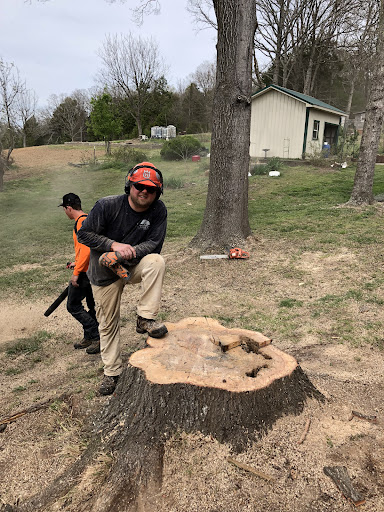
Digging in clay: the bathtub problem
A smooth sided hole in dense clay can hold water like a glazed pot, drowning roots after heavy rain even in a yard that drains. Dig the hole two to three times wider than the root ball but no deeper, rough up the sides, and set the tree so the root flare sits at or slightly above the surrounding grade. Backfill with mostly the soil that came out, water to settle air pockets, and skip burying the trunk in amendments or mulch. A wide shallow zone of loosened soil gives roots an easy first few feet, after which a suitable species handles clay on its own. Before digging anywhere in Monroe, have underground utilities marked through the national call service, and check for septic and irrigation lines of your own.
The first year decides establishment
A newly planted tree needs consistent water through its first growing season: deep watering when rain is short, mulch kept wide and flat at two to four inches, and stakes removed once the tree can stand on its own, usually within a year. Watch for the flare staying visible as soil settles. Prune almost nothing in year one except broken branches, because leaves feed the root growth the tree is racing to complete. Services such as Mike's Tree Service often get called about struggling young trees and find the same two causes: planted too deep, and watered by a lawn sprinkler schedule that never reaches the root ball.
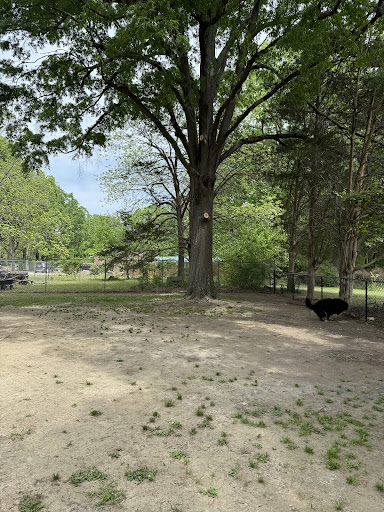
Choosing where not to plant
Sometimes the decision guide ends with leaving a spot empty. Avoid planting over septic fields and drain lines, in the middle of a planned patio or addition footprint, or in a narrow strip between sidewalk and street where roots and canopy will fight concrete and cars for the same space. A lawn with one well placed tree outperforms a crowded yard of five trees competing for light and water, and future owners will thank you for shade where it helps and open ground where it is needed. Sketch mature circles on a simple yard map before buying anything; that ten minute drawing prevents most planting regrets.
Common questions
How deep should I plant a tree in clay soil?
Set the root flare at or slightly above the surrounding grade, in a hole no deeper than the root ball. Planting deep is the most common and most damaging mistake in clay.
Should I amend the backfill with rich soil?
Most guidance favors backfilling mainly with native soil so roots grow outward into the yard. A pocket of rich soil in clay can discourage roots from leaving it and can hold water.
How long should I water a new tree?
Through at least the first full growing season, deeply and as needed when rain falls short. Establishment takes roughly a year per inch of trunk diameter for many trees.
← All guides from Mike's Tree Service← Back to Mike's Tree Service